The Crawlspace Vapor Encapsulation Loop: Stabilizing First-Floor Indoor Air Quality
Many homeowners focus on their attic, windows, and HVAC system when trying to improve indoor air quality. What often gets overlooked is the crawlspace beneath the home. If that crawlspace contains exposed soil, it can continuously release moisture and organic particles into the living space above. Through a process known as the stack effect, air naturally moves upward through a home, carrying that moisture along with it.
At Quality Degree Inc., we often discuss how home sealing in Lenhartsville, PA, can address hidden sources of indoor air quality concerns. One of the most effective strategies for homes with crawlspaces is comprehensive vapor encapsulation.
How Moisture Moves Upward Into Your Home
Many crawlspaces contain exposed earth that naturally releases water vapor into the surrounding air. According to the U.S. Environmental Protection Agency, moisture can migrate through soil and enter buildings, contributing to humidity issues and material deterioration over time. As warm air rises through a home, replacement air is often drawn upward from the crawlspace. This means moisture, odors, and airborne particles below the floor can eventually become part of the air circulating inside the living space. The result may include higher humidity levels, musty odors, and reduced comfort throughout the first floor. This is one reason many homeowners explore professional home sealing services as part of a broader indoor air quality strategy.
The First Step: Covering the Soil
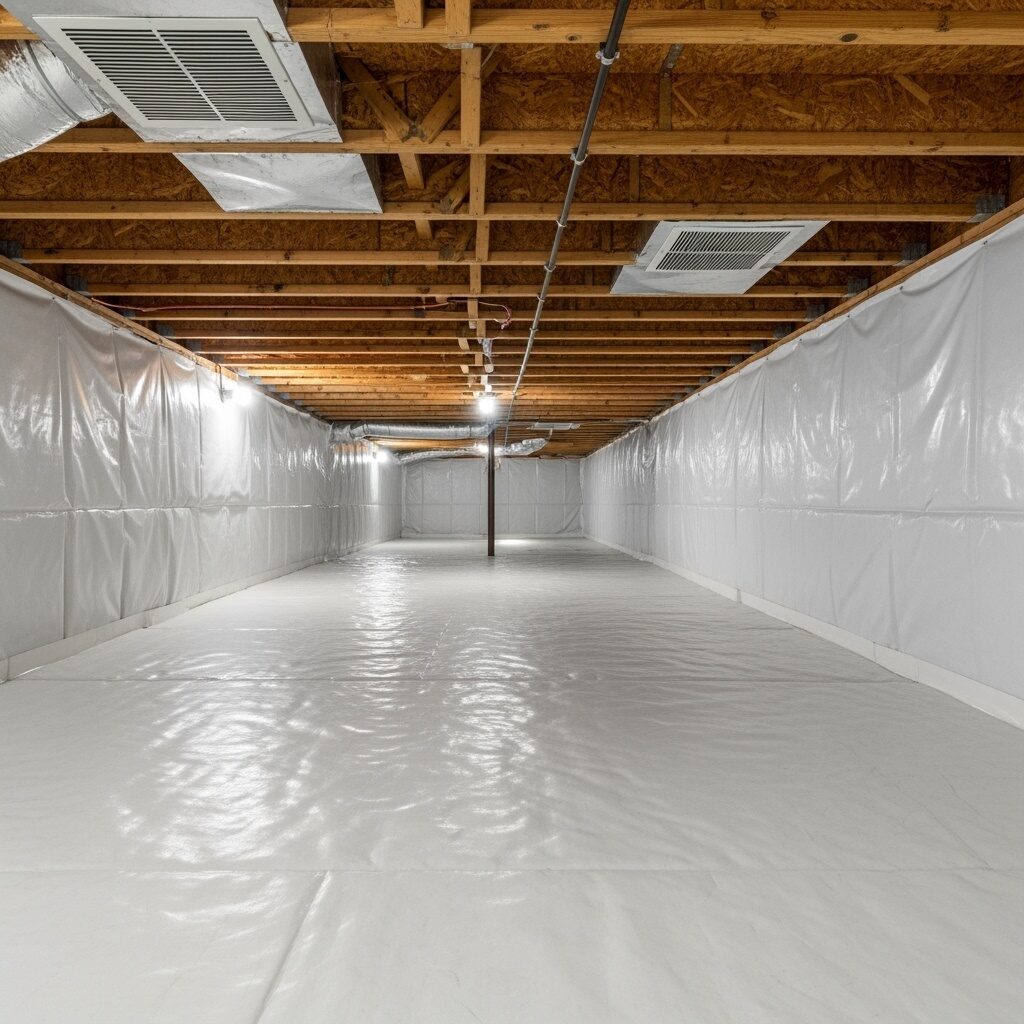
A properly encapsulated crawlspace begins by isolating the home from the exposed earth below it. This is typically accomplished by installing a heavy-duty 20-mil polyethylene vapor barrier across the crawlspace floor. The material is designed to block moisture vapor from entering the crawlspace air. Rather than allowing water vapor to continuously rise from the soil, the barrier creates a protective layer between the earth and the home.
Why Foundation Vents Are Often Sealed
Many older homes were built with crawlspace vents based on the belief that outside air would help remove moisture. Research has shown that vented crawlspaces can actually introduce additional moisture during humid conditions. Warm outdoor air entering a cooler crawlspace can create condensation and increase humidity levels. As part of a comprehensive encapsulation process, foundation vents are often sealed to help create a more controlled environment beneath the home. Experienced home sealing contractors evaluate each property to determine the most appropriate sealing approach based on local conditions and construction type.
Closing Hidden Air Pathways
Another important step involves sealing penetrations where plumbing, electrical wiring, and other utilities pass through the subfloor. These openings may appear small, but collectively they can allow significant air movement between the crawlspace and living areas.
Air sealing these penetrations helps:
- Reduce moisture migration
- Limit draft formation
- Improve indoor comfort
- Reduce unwanted air exchange
- Support HVAC efficiency
This process plays an important role in weatherproof home sealing efforts designed to create a more stable indoor environment.
The Benefits Above the Floor
When moisture movement is reduced, homeowners often notice improvements throughout the first floor.
Potential benefits include:
- More stable indoor humidity
- Reduced floor drafts
- Fewer musty odors
- Improved comfort levels
- Better protection for structural wood components
Lower moisture exposure can also help protect floor joists and other wooden materials from conditions associated with decay and dry rot.
Why Encapsulation Supports Efficiency
Indoor comfort and energy performance are closely connected. When humidity levels remain more consistent, HVAC systems often operate under more predictable conditions. This is one reason crawlspace improvements are frequently incorporated into energy-efficient home sealing projects aimed at improving overall building performance. A healthier crawlspace often contributes to a healthier living space above it.
Frequently Asked Questions
What is crawlspace encapsulation?
Crawlspace encapsulation is the process of isolating a crawlspace from outside moisture using vapor barriers, sealing techniques, and controlled air management.
Why is exposed soil a problem?
Exposed soil continuously releases moisture vapor that can enter the crawlspace and eventually migrate into the home.
Will encapsulation stop floor drafts?
Sealing air leaks and crawlspace openings can significantly reduce drafts that originate beneath the floor.
Can encapsulation help protect floor joists?
Reducing moisture exposure can help limit conditions that contribute to wood deterioration over time.
Indoor air quality starts with understanding where moisture enters the home. At Quality Degree Inc., we help homeowners identify hidden sources of humidity and air leakage through practical building performance solutions. We are licensed, bonded, and insured, maintain a 5-star Google rating, and provide free estimates to help homeowners make informed decisions. With great warranties and financing options available, plus service available 24 hours a day, our team is ready to help improve comfort from the ground up.
Contact Us for the Best in HVAC Installs and Replacement
For 24/7 HVAC installation and replacement in Royersford, PA, call Quality Degree. You can also schedule an appointment online right now by filling out the contact form.