Correcting High Static Pressure Through Performance Analysis: Cost and Processes
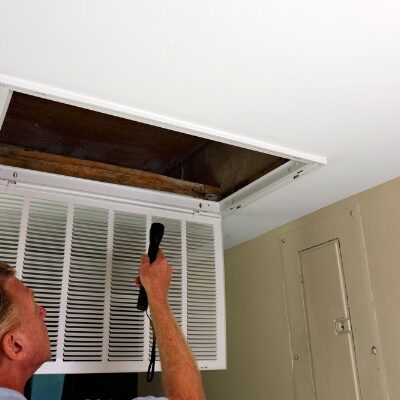
High static pressure is one of the most overlooked causes of HVAC inefficiency. And if certain rooms never seem comfortable, your system is unusually noisy, or repairs keep adding up, excessive static pressure could be the hidden culprit.
Fortunately, correcting it usually begins with a detailed performance analysis, not replacements. Here are insights on duct performance analysis in Royersford, PA, which helps in addressing high static pressure, with some details on the cost and processes involved.
What Is High Static Pressure?
Every HVAC system is engineered to operate within a specific pressure range. Most residential equipment is designed for a total external static pressure of approximately 0.50 inches of water column (in. w.c.), although manufacturer specifications vary.
When resistance climbs beyond that range, airflow drops. The blower works harder. Efficiency declines.
Over time, additional wear develops throughout the system. Additionally, high static pressure creates operating conditions that can shorten equipment life.
Common Causes of High Static Pressure
Several issues can increase airflow resistance. The most common include:
- Undersized ductwork
- Dirty air filters
- Plugged evaporator coils
- Closed or blocked supply registers
- Crushed flexible ducts
- Excessively restrictive return ducts
- Poorly designed duct layouts
- Dirty blower wheels
Many homes around Royersford have undergone additions or renovations over the years. New rooms are sometimes connected to older duct systems that were never designed to handle the additional airflow demand.
The result is an HVAC system that’s constantly fighting against excessive resistance.
What Happens During Duct Performance Testing?
A comprehensive duct system testing procedure involves much more than checking vents. Technicians commonly perform several diagnostic procedures.
Static Pressure Measurements
Pressure probes are installed temporarily near the air handler to measure resistance on both the supply and return sides.
These readings identify whether restrictions exist.
Airflow Verification
Using specialized instruments, technicians perform duct airflow measurement to determine whether each room receives the proper amount of conditioned air.
Rooms receiving too little airflow often indicate balancing issues or duct restrictions.
Leakage Inspection
Air escaping through damaged ducts never reaches living spaces.
Professional duct leakage testing helps locate disconnected joints, damaged duct sections, or poorly sealed connections that reduce system efficiency.
Equipment Evaluation
The blower motor, evaporator coil, air filter, and return system are all evaluated because each affects total system pressure.
Together, these tests provide answers that visual inspections alone cannot.
How Much Does Correcting High Static Pressure Cost?
On average, the cost of this service ranges between $1,000 to $5,000. The diagnostic process is usually the least expensive part of the project.
Correction costs vary because the underlying causes vary.
For example:
- Replacing a clogged air filter is inexpensive.
- Cleaning a dirty evaporator coil requires more labor.
- Sealing leaking ducts falls into a moderate price range.
- Enlarging undersized return ducts or redesigning portions of the duct system represents a larger investment.
The purpose of testing is to identify the smallest repair that will produce meaningful performance improvements instead of recommending unnecessary work.
Why Ignoring High Static Pressure Gets Expensive
High static pressure affects far more than airflow.
It can contribute to:
- Blower motor failure
- Frozen evaporator coils
- Reduced heating capacity
- Increased cooling costs
- Compressor stress
- Noisy ductwork
- Premature equipment replacement
These problems usually develop gradually.
Many homeowners mistake declining performance as normal aging when airflow restrictions are actually driving the deterioration.
Addressing static pressure early helps preserve the equipment you’ve already invested in.
When Should You Schedule a Performance Analysis?
Several warning signs justify a professional inspection.
Watch for:
- Some rooms staying hotter or colder than others
- Weak airflow from supply registers
- Whistling duct noises
- Frequent filter changes caused by excessive dust
- High utility bills without increased usage
- HVAC systems that seem to run continuously
If these symptoms sound familiar, duct performance testing can provide measurable answers instead of assumptions.
Frequently Asked Questions
What is considered high static pressure in an HVAC system?
Most residential systems are designed to operate around 0.50 inches of water column, although acceptable values depend on the equipment manufacturer.
Can replacing my air filter solve high static pressure?
Sometimes. If the filter is the primary restriction, replacing it may help, but many systems have multiple airflow problems that require testing.
Does high static pressure damage HVAC equipment?
Yes. Excessive resistance increases stress on blower motors, compressors, and other components, which can shorten the system’s service life.
Better Airflow Starts With Better Information
Solving high static pressure requires understanding how your entire HVAC system performs under real operating conditions. By identifying restrictions, homeowners can often avoid larger repair bills, improve comfort, and extend equipment life.
If your HVAC system never seems to perform the way it should, a professional performance analysis is one of the smartest investments you can make before committing to costly repairs or replacement. Give us a call to schedule a service.
Contact Us for the Best in HVAC Installs and Replacement
For 24/7 HVAC installation and replacement in Royersford, PA, call Quality Degree. You can also schedule an appointment online right now by filling out the contact form.