
5 Tell-Tale Signs Your Home’s Ductwork Is Strangling Your HVAC System
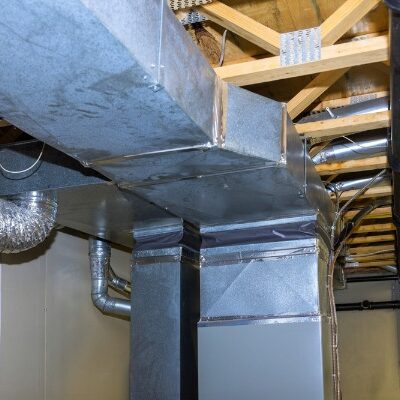
Your HVAC system can be brand-new, perfectly rated for your square footage, and backed by top-tier engineering, but it will still fail if your ductwork is choked. When air cannot flow freely, your equipment works twice as hard to deliver half the comfort.
At Quality Degree Inc., we see this problem across Montgomery County every single week. Homeowners assume a spike in electric bills or a freezing bedroom means they need an entirely new heat pump or central air unit. More often than not, the actual culprit is hidden behind the sheetrock: restricted, leaking, or crushed ductwork that is actively suffocating the system.
Whether your home sits in a historic neighborhood off Main Street or inside a newer subdivision in Royersford, improper airflow drains your wallet and burns out your equipment. Here are the five unmistakable warning signs that your ductwork is strangling your HVAC system, along with the diagnostic steps required to fix it.
1. Uneven Temperatures and Stubborn Hot or Cold Spots

One of the most immediate indicators of airflow restriction is inconsistent comfort from room to room. When ductwork is improperly sized, disconnected, or clogged with decades of debris, conditioned air simply cannot reach the outer extremities of your home. You might find that your main living room feels comfortably cool in the summer, while an upstairs bedroom feels like a sauna. Rather than indicating a failing compressor or furnace, these severe temperature variances usually point to static pressure imbalances within your duct network.
2. Unexplained Spikes in Monthly Energy Bills
When ductwork is restricted or leaking, your HVAC unit must run significantly longer cycles to reach the temperature set on your thermostat. This extra runtime translates directly into higher utility expenses without any gain in home comfort. In fact, standard duct loss can account for up to 30% or more of total heating and cooling energy consumption. Investing in a professional duct performance analysis in Royersford, PA, allows technicians to pinpoint exact leakage sites and pressure drops, helping restore your system to optimal efficiency.
3. Excessive Dust, Whistling Noises, and High Indoor Humidity
Airflow issues also manifest through auditory and environmental cues inside your living spaces. Low-pitched whistling, rattling, or popping sounds coming from your supply and return vents often mean your system is starved for air, forcing the blower motor to pull against extreme static resistance. Additionally, cracked or separated joints in unconditioned spaces like attics or crawlspaces tend to draw in raw dust, outdoor allergens, and humidity. This added moisture degrades indoor air quality and makes rooms feel muggy even when the air conditioner is running.
4. Frequent System Cycling and Frozen Evaporator Coils
If your air conditioner or heat pump is constantly turning on and off in short bursts, choked ductwork may be the primary cause. When supply vents are blocked or duct runs are crushed, heat cannot transfer out of the system efficiently. In the summer, restricted airflow prevents heat absorption, causing the refrigerant temperature to plunge and leading to frozen evaporator coils. In winter, restricted airflow causes heat exchangers to overheat, triggering automatic high-limit safety shutoffs that prematurely kill the heating cycle.
5. Premature Equipment Wear and Shortened System Lifespan
HVAC components are engineered to operate within strict static pressure limits. Forcing a blower motor to push air through undersized or constricted pathways is like trying to breathe through a cocktail straw while running a marathon. The constant strain overheats the blower motor, stresses sensitive electronic boards, and wears down mechanical seals years before their expected expiration date. Resolving ductwork restrictions early preserves your factory warranties and extends the lifespan of your major heating and cooling equipment.
Our Comprehensive Diagnostic and Testing Process
To resolve these airflow bottlenecks permanently, our team performs a rigorous, multi-step testing process to measure performance and pinpoint exact points of failure across your entire duct network:
- Duct System Performance Testing: We measure static pressure inside the supply and return plenums using digital manometers. High static pressure reveals where air is getting trapped, often due to undersized trunk lines, restrictive filters, or crushed flex ducts, while unusually low static pressure pinpoints large disconnects, unsealed main trunk joints, or missing duct sections entirely. By measuring total external static pressure (TESP), we ensure your system operates safely within the manufacturer’s design thresholds, protecting critical internal components like your blower motor from premature burnout.
- HVAC Duct Performance Analysis: We evaluate total air volume by taking direct cubic feet per minute (CFM) output measurements at individual supply registers using calibrated flow hoods and hot-wire anemometers. This allows us to compare actual air delivery room by room against the manufacturer’s specified design criteria and Manual J load calculations for your specific property. Identifying rooms that fall short on CFM output helps us diagnose hidden restrictions, rebalance dampers, and eliminate persistent hot and cold spots throughout your home.
- Duct Leakage Testing: Using specialized duct pressurization equipment (blower door systems and duct blasters), we temporarily seal off all supply registers and pressurize the duct trunk. This pinpoints exact leakage percentages and identifies whether air loss is occurring on the supply side, wasting conditioned air into unconditioned attics or crawlspaces, or on the return side, which pulls dusty, humid air directly into your home. This process guarantees pinpoint accuracy before any sealing or duct modification begins.
- System Thermal and Visual Scans: To complement pressure testing, we utilize high-resolution thermal imaging cameras and flexible fiber-optic inspection scopes to visually inspect the interior of hard-to-reach duct runs. Infrared scanning reveals temperature gradients along your walls, ceilings, and unconditioned spaces, instantly exposing hidden insulation gaps, unsealed connections, and structural leaks behind sheetrock without requiring invasive teardowns.
- Comprehensive Diagnostic Reporting: By completing a detailed diagnostic evaluation, we provide homeowners with clear data showing exactly where airflow is restricted, where energy is escaping, and how to fix it permanently. Our finalized report includes prioritized repair options, from precision duct sealing and insulation upgrades to full airflow rebalancing, ensuring your HVAC equipment delivers optimal comfort, pristine indoor air quality, and maximum efficiency for years to come.
Central Air vs. Ductless AC: Making the Right Choice for Your Home
When facing severe duct issues, many homeowners ask whether repairing existing ductwork or switching to a ductless mini-split system makes more sense.
Traditional central air systems rely on a single central air handler to push air through supply and return trunks throughout the house. If your home has existing sheet metal ducting in good structural condition, performing targeted repairs and air sealing is often the most cost-effective path to restoring peak efficiency.
However, many homes in the local area present unique architectural challenges:
- Older homes built without ductwork: Older properties often lack the wall cavities or ceiling clearance required to install bulky 6-inch or 8-inch metal ducts without sacrificing closet space or lowering ceilings.
- Home additions and finished attics: Extending existing ductwork into a newly finished room often overburdens the main HVAC unit and results in poor airflow to both spaces.
- Severe duct degradation: In cases where ductwork runs through narrow, inaccessible crawlspaces or has suffered massive physical damage, repairing it may be cost-prohibitive.
In these scenarios, a ductless AC system offers a high-efficiency alternative. Ductless mini-splits use small conduit lines to connect an outdoor condenser directly to individual wall-mounted indoor units. This eliminates duct losses entirely; losses that can claim up to 30 percent of an HVAC system’s total energy consumption.
Choosing between restoring central air ductwork and installing ductless units comes down to accessible space, budget, and long-term home improvement goals. A professional evaluation provides the exact metrics needed to decide which option delivers the best performance for your layout.
Professional Diagnostics: How We Uncover Airflow Bottlenecks
Visual inspections alone cannot capture total system performance. Air behavior inside enclosed walls requires precise diagnostic measurement tools.
Our technicians perform comprehensive diagnostic evaluations to measure static pressure, airflow volume, and total leakage rate across every section of your ductwork:
Duct System Performance Testing
We measure static pressure inside the supply and return plenums using digital manometers. High static pressure reveals where air is getting trapped, often due to undersized trunk lines, restrictive filters, or crushed flex ducts, while unusually low static pressure pinpoints large disconnects, unsealed main trunk joints, or missing duct sections entirely. By measuring total external static pressure (TESP), we ensure your system operates safely within the manufacturer’s design thresholds, protecting critical internal components like your blower motor from premature burnout.
HVAC Duct Performance Analysis
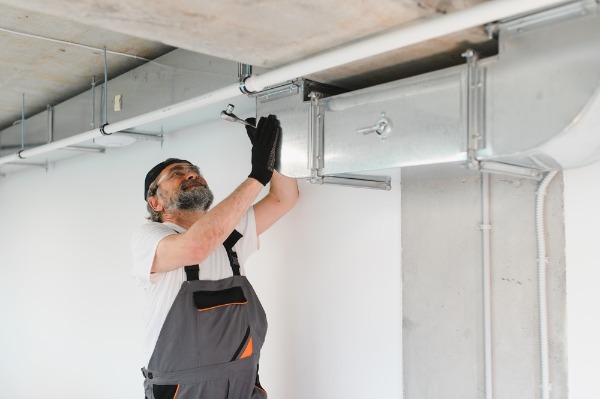
We evaluate total air volume by taking direct cubic feet per minute (CFM) output measurements at individual supply registers using calibrated flow hoods and hot-wire anemometers. This allows us to compare the actual air delivery room by room against the manufacturer’s specified design criteria and Manual J load calculations for your specific property. Identifying rooms that fall short on CFM output helps us diagnose hidden restrictions, rebalance dampers, and eliminate persistent hot and cold spots throughout your home.
Duct Leakage Testing
Using specialized duct pressurization equipment (blower door systems and duct blasters), we temporarily seal off all supply registers and pressurize the duct trunk. This pinpoints exact leakage percentages and identifies whether air loss is occurring on the supply side, wasting conditioned air into unconditioned attics or crawlspaces, or on the return side, which pulls dusty, humid air directly into your home. This process guarantees pinpoint accuracy before any sealing or duct modification begins.
System Thermal and Visual Scans
To complement pressure testing, we utilize high-resolution thermal imaging cameras and flexible fiber-optic inspection scopes to visually inspect the interior of hard-to-reach duct runs. Infrared scanning reveals temperature gradients along your walls, ceilings, and unconditioned spaces, instantly exposing hidden insulation gaps, unsealed connections, and structural leaks behind sheetrock without requiring invasive teardowns.
Diagnostic Reporting
By completing a detailed duct performance analysis, we provide homeowners with clear diagnostic data showing exactly where airflow is restricted, where energy is escaping, and how to fix it permanently. Our finalized report includes prioritized repair options, from precision duct sealing and insulation upgrades to full airflow rebalancing, ensuring your HVAC equipment delivers optimal comfort, pristine indoor air quality, and maximum efficiency for years to come.
Why Choose Quality Degree Inc.
Restoring your HVAC system’s performance requires an experienced team that looks beyond quick fixes to solve root causes. At Quality Degree Inc., we hold a 5-star Google rating built on transparent service, technical excellence, and honest recommendations.
We protect your home and investment with clear standards of service:
- Licensed, bonded, and insured: Fully certified technicians who handle your home with total care and professional skill.
- Free estimates: Clear, upfront pricing with zero hidden fees or sales pressure.
- Great warranties and financing: Flexible options to make major system upgrades accessible and stress-free.
- Available 24 hours a day: Fast, responsive service whenever emergency comfort issues strike.
Frequently Asked Questions
What is duct leakage testing?
Duct leakage testing pressurizes your duct system with a specialized fan to measure exact air loss and identify hidden leaks behind walls or in unconditioned spaces.
How long does a duct performance analysis take?
A comprehensive analysis takes roughly one to two hours, depending on home size and ductwork accessibility.
Can dirty ducts cause short-cycling?
Yes, heavy dirt buildup restricts airflow across coils and filters, causing heat buildup or coil freezing that trips safety shut-off switches.
If your system is short-cycling, making unusual noises, or driving up utility costs, your ductwork needs professional attention before major components fail.
Contact Quality Degree Inc. today to schedule your duct performance analysis and restore complete comfort, efficiency, and airflow to your home.
Contact Us for the Best in HVAC Installs and Replacement
For 24/7 HVAC installation and replacement in Royersford, PA, call Quality Degree. You can also schedule an appointment online right now by filling out the contact form.