
From Setup to Savings: Your Guide to Smart Thermostat Installation
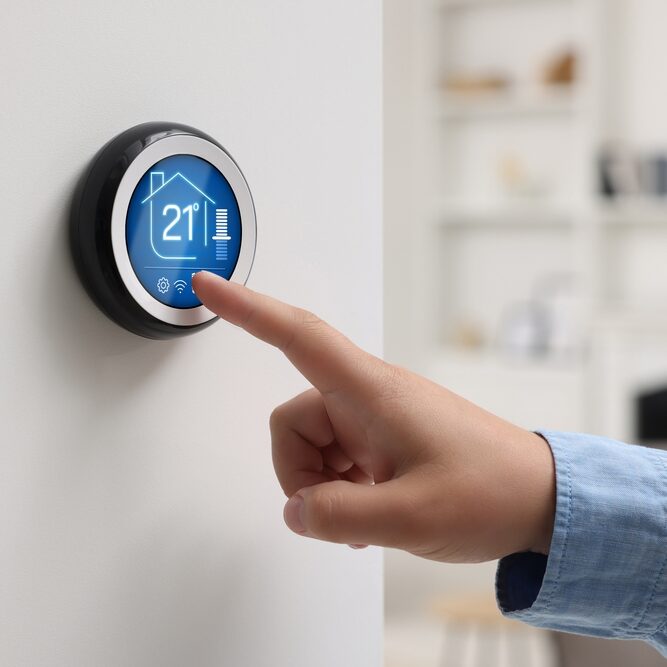
Many homeowners hear about smart thermostats as a way to lower energy costs, but the real value goes beyond adjusting the temperature from a phone. A properly installed smart thermostat can help improve comfort, provide greater control over heating and cooling schedules, and give homeowners better insight into how their HVAC system operates.
At Quality Degree Inc., we often help homeowners understand that getting the most from a smart thermostat in Lehhartsville, PA, starts with proper setup and system compatibility.
The thermostat may be mounted on the wall, but its performance depends on how well it communicates with the HVAC equipment behind it.
What Makes a Smart Thermostat Different?
Traditional thermostats allow users to manually adjust temperatures or follow a basic schedule. Smart thermostats expand on these capabilities by using sensors, connectivity, and automation to manage indoor comfort more efficiently.
Many models can:
- Learn temperature preferences
- Adjust schedules automatically
- Monitor system operation
- Provide maintenance reminders
- Send alerts when unusual activity occurs
- Allow remote control through mobile apps
These features help homeowners better understand how their heating and cooling system is performing throughout the year.
Why Professional Installation Matters
While many smart thermostats are marketed as simple upgrades, installation can involve more than connecting a few wires.
Successful smart thermostat installation often requires evaluating:
- HVAC system compatibility
- Existing thermostat wiring
- Power requirements
- Equipment configuration
- System programming
Some systems require additional components or wiring adjustments to support advanced thermostat features. Proper installation helps ensure the thermostat communicates accurately with the equipment it controls.
Compatibility Is Not Always Automatic
One common misconception is that every thermostat works with every HVAC system. In reality, a smart thermostat for HVAC equipment must be matched to the specific heating and cooling configuration in the home. Heat pumps, multi-stage systems, zoning systems, and variable-speed equipment may have unique requirements. A compatibility assessment helps prevent operational issues and ensures homeowners have access to the thermostat’s full range of features.
How Connectivity Supports Energy Savings
One of the most popular features of a Wi-Fi smart thermostat is the ability to make adjustments from virtually anywhere with internet access.
This connectivity allows homeowners to:
- Adjust schedules remotely
- Monitor system activity
- Receive maintenance alerts
- Review energy usage patterns
- Modify settings during vacations or travel
The ability to fine-tune temperature schedules often helps reduce unnecessary system operation when the home is unoccupied.
The Importance of Thermostat Placement
The location of a thermostat can affect its performance. If installed near windows, direct sunlight, supply vents, or other heat sources, the thermostat may receive inaccurate temperature readings. This can lead to unnecessary system cycling and inconsistent comfort. Professional installation includes evaluating placement to help ensure the thermostat measures the home’s actual living conditions rather than localized temperature variations.
Smart Features Work Best With a Healthy HVAC System
A thermostat can improve control, but it cannot correct underlying HVAC issues. Before installing a smart thermostat for home use, it is often beneficial to evaluate the condition of the heating and cooling equipment. Airflow restrictions, aging components, or maintenance concerns can still affect comfort and efficiency regardless of thermostat technology. The best results occur when the thermostat and HVAC system work together as part of a well-maintained system.
Common Benefits Homeowners Notice
After installation, many homeowners report improvements such as:
- More consistent temperatures
- Greater scheduling flexibility
- Better visibility into system operation
- Easier vacation temperature management
- Improved control from mobile devices
These advantages help homeowners take a more active role in managing indoor comfort.
Frequently Asked Questions
Can any HVAC system use a smart thermostat?
Not always. Compatibility depends on the equipment type, wiring configuration, and system design.
Do smart thermostats require Wi-Fi?
Many advanced features rely on internet connectivity, though some basic functions may still operate without Wi-Fi.
Can a smart thermostat lower energy usage?
Scheduling, automation, and remote access may help reduce unnecessary heating and cooling operation.
How long does smart thermostat installation take?
Installation time varies depending on system complexity, wiring requirements, and equipment compatibility.
A smart thermostat is one of the most effective ways to gain greater control over your home’s comfort system, but proper setup makes all the difference. At Quality Degree Inc., our technicians receive ongoing training to ensure thermostats are installed and configured correctly for each HVAC system. We are licensed, bonded, and insured, maintain a 5-star Google rating, and offer free estimates to help homeowners explore their options. With great warranties and financing available, along with service available 24 hours a day, we are here to help homeowners get the most from their heating and cooling systems!
Contact Us for the Best in HVAC Installs and Replacement
For 24/7 HVAC installation and replacement in Royersford, PA, call Quality Degree. You can also schedule an appointment online right now by filling out the contact form.