
Stop Ignoring a Short-Cycling AC Unit Before It Destroys Your Compressor Completely
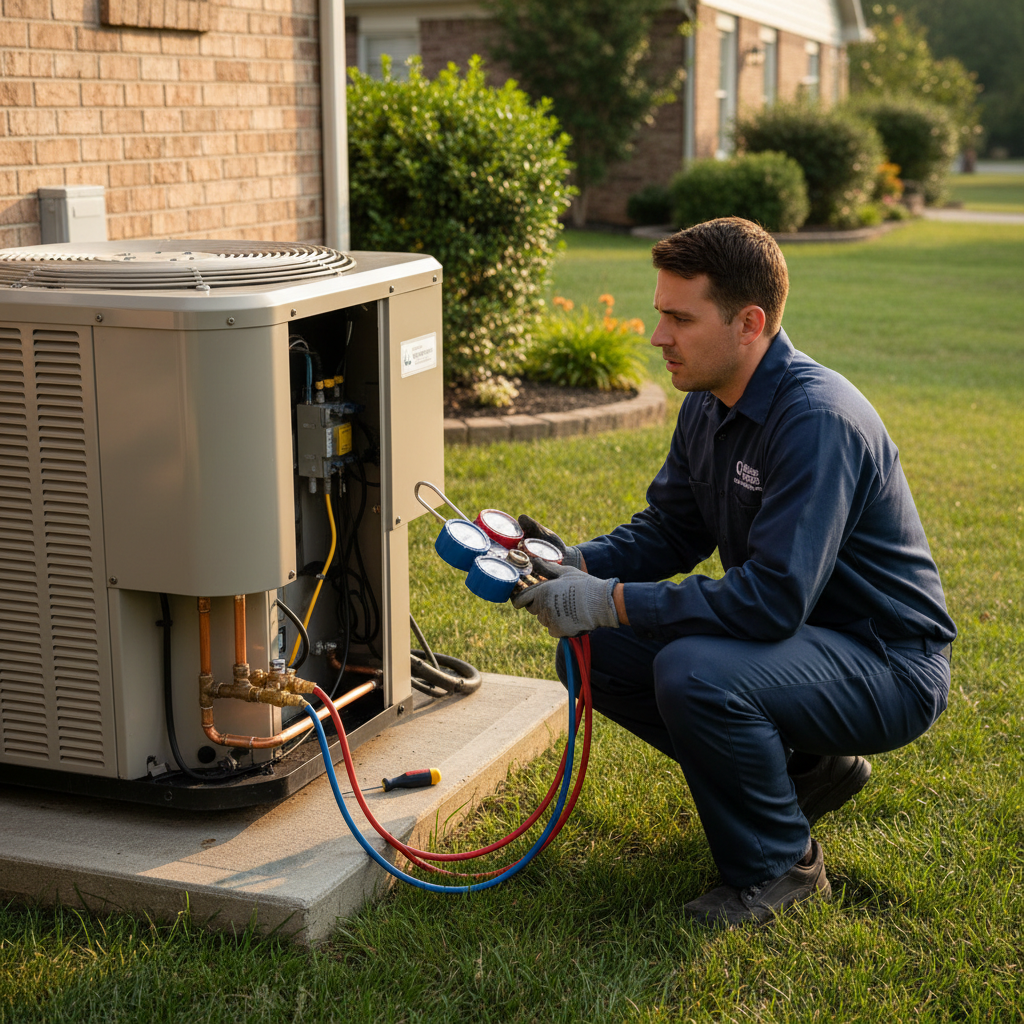
That quick click, hum, and sudden silence coming from your cooling system every few minutes is a cry for help. Your cooling system is short-cycling, a condition where the system turns on and off rapidly without ever finishing a full cooling cycle. We see this issue frequently at Quality Degree Inc. Ignoring this pattern places an extreme amount of stress on the most expensive part of your equipment. The compressor is the heart of the system, and it is built to run in steady, sustained cycles rather than rapid bursts. When short-cycling goes unaddressed, the compressor will overheat and burn out completely. Addressing this issue early protects your comfort and prevents total equipment failure. Homeowners who need dependable air conditioning in Royersford, PA, can count on our team to pinpoint the exact cause of this cycling issue before it creates a total system breakdown.
The Mechanical Toll of Rapid Cycling
Every time your cooling system starts up, it uses a massive surge of electrical energy. This initial surge generates heat within the motor windings of the compressor. According to data from the Department of Energy, heating and cooling make up about 50% of the average home’s energy use, and short-cycling spikes that consumption dramatically. The internal components are forced to work much harder than they were designed to handle. This frequent starting and stopping prevents oil from circulating properly through the system, leaving vital moving parts without proper lubrication. Over time, the constant friction wears down the internal bearings and damages the electrical contacts.
Airflow Restrictions Can Cause Sudden Shutdowns
A very common reason a system shuts down early is restricted airflow. When air cannot move freely through your home, the cooling coils drop below freezing temperatures. A safety switch or a pressure sensor detects this extreme temperature drop and shuts the system down to prevent ice buildup. Dirty air filters are the primary culprit behind this restriction. When you neglect regular AC maintenance, dirt builds up on the mesh and blocks the air. Changing your air filter every thirty to ninety days keeps the air moving and prevents the system from choking on its own supply.
Frozen Coils Create a Destructive Loop
When airflow remains blocked for too long, the indoor evaporator coil freezes solid. This ice accumulation acts as an insulator, preventing the refrigerant from absorbing heat from your indoor air. The system registers the lack of heat transfer as an error, causing the pressure to spike or drop outside of safe operating parameters. A high-pressure or low-pressure safety switch then cuts power to the compressor to prevent structural damage. Once the system rests for a few minutes, the pressure normalizes, the switch resets, and the destructive cycle starts all over again. Professional air conditioning repair is required to safely melt the ice and fix the underlying pressure imbalance.
Low Refrigerant Levels Alter System Pressure
Refrigerant is the fluid responsible for moving heat out of your home. If your system has a leak, the overall volume of refrigerant drops below what the manufacturer specifies. This drop in volume causes a corresponding drop in pressure within the lines. The low-pressure safety switch detects this change and shuts the compressor down to prevent it from pumping air or moisture. This constant cycling can quickly burn out the motor. Finding the leak and performing a precise AC repair is the only way to restore the correct balance and stop the cycle.
Oversized Systems Are Predestined to Short Cycle
Sometimes the issue is not a broken part but a mistake made during the initial installation. If a cooling system is too large for the square footage of your home, it will blast the rooms with cold air very quickly. The thermostat registers the temperature drop within a few minutes and shuts the system down before the air can circulate evenly. This rapid cooling leaves the home feeling humid and sticky because the system does not run long enough to remove moisture from the air. Correcting this issue often requires a new air conditioning installation that is properly sized using accurate load calculations.
Thermostat Malfunctions Misread Indoor Temperatures
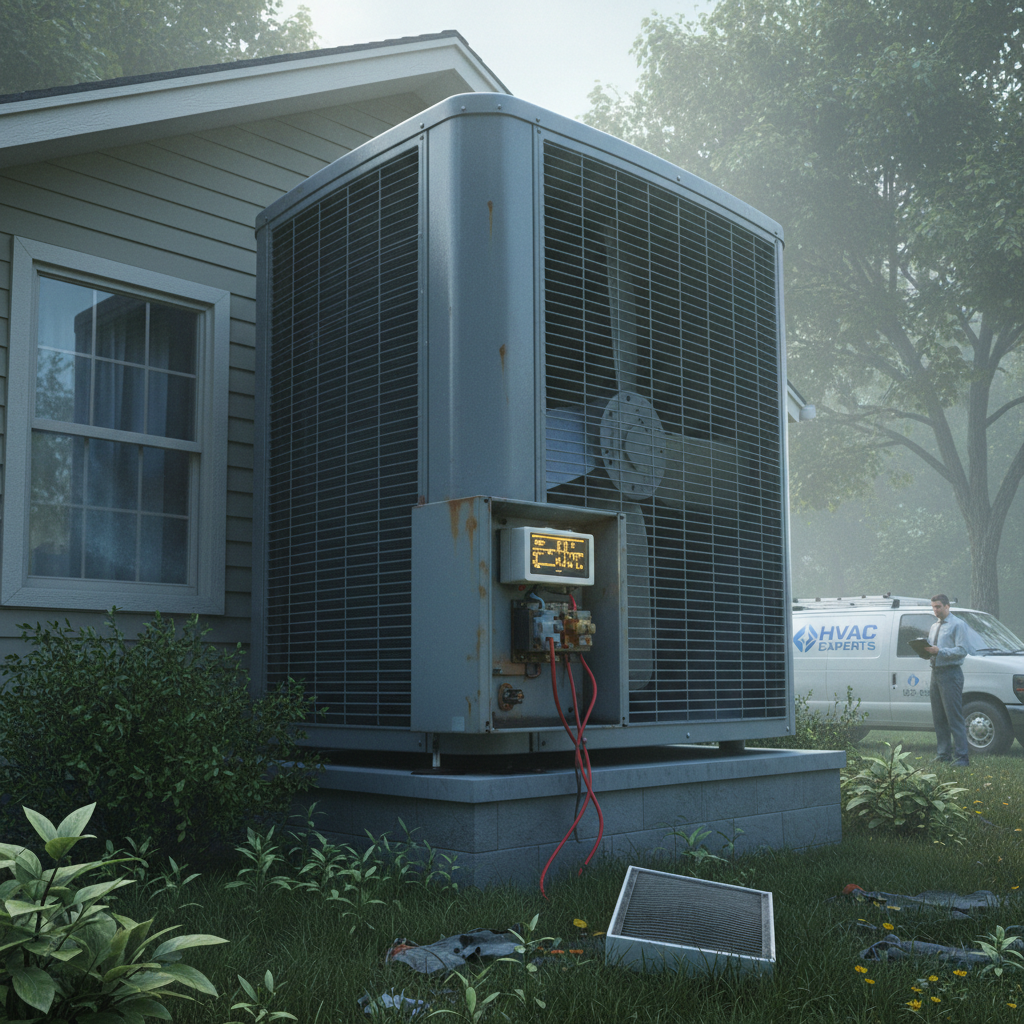
Your thermostat acts as the brain of your cooling system. If the thermostat is placed in a poor location, such as directly under a supply vent or in the direct path of sunlight, it will get false readings. It will think the house is cool and shut the system down prematurely, only to turn it back on moments later when the local air warms up again. Corroded wiring or dying batteries inside the thermostat can also send erratic signals to the control board. Upgrading to a properly calibrated device during routine AC maintenance can resolve these communication errors.
Electrical Component Failures Interrupt Power
The electrical control board, capacitors, and contactors work together to deliver steady power to your compressor. A failing capacitor holds and releases electrical charges unevenly, which causes the compressor to struggle during startup. The contactor may pit or stick, breaking the electrical connection mid-cycle. When these electrical parts begin to fail, the compressor will chatter, click, and shut down randomly. Experienced technicians must inspect these electrical connections to ensure your HVAC air conditioning systems receive steady, uninterrupted voltage.
Replacing a Dead Compressor Versus a New System
When a compressor fails due to prolonged short-cycling, you face a major decision. The compressor is incredibly difficult and expensive to replace on its own. If your system is older, investing in a complete AC installation is often the most practical choice. New systems utilize advanced technology that operates with much higher efficiency ratings. According to the Environmental Protection Agency, upgrading to an Energy Star-certified cooling system can reduce your cooling costs significantly compared to older models.
Frequently Asked Questions
How many times an hour should my AC cycle on and off?
A properly functioning system should run for about fifteen to twenty minutes, two to three times per hour. If your system turns on and off more than four times in an hour, it is short-cycling.
Can a dirty air filter really cause short-cycling?
Yes, a clogged filter blocks airflow, causing the indoor coils to freeze and triggering safety switches that shut the system down. Changing the filter regularly is an easy way to prevent this specific issue.
Is it safe to run my AC if it is short-cycling?
No, running a short-cycling system places extreme stress on the compressor and electrical components. Turn the system off and seek professional help to avoid total equipment failure.
How do I know if my AC is too big for my house?
If your system cools the house very quickly but leaves the air feeling humid and damp, it is likely oversized. An oversized unit cannot run long enough to properly dehumidify the space.
Ignoring a stuttering cooling unit invites high utility bills and sudden system breakdowns. At Quality Degree Inc., we understand that a broken cooling system disrupts your entire routine. Our team brings top-tier expertise to every job, backed by great warranties and financing options to fit your budget. We maintain a 5-star Google rating because we prioritize honest communication and dependable work. As a licensed, bonded, and insured company, we perform every service with strict adherence to industry standards. We provide free estimates for equipment replacements so you can make informed decisions without any pressure. Our technicians are available 24 hours a day to handle your comfort emergencies whenever they arise.
Contact us today to get your system running smoothly again.
Contact Us for the Best in HVAC Installs and Replacement
For 24/7 HVAC installation and replacement in Royersford, PA, call Quality Degree. You can also schedule an appointment online right now by filling out the contact form.