
What Professional Technicians Check That DIY HVAC Fixes Always Miss
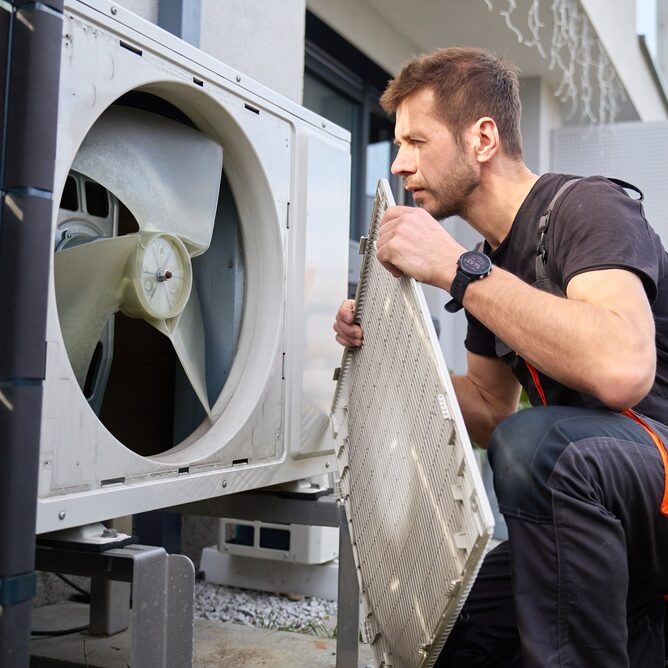
When an HVAC system starts acting up, many homeowners head online looking for a quick fix. Replacing a thermostat battery, changing an air filter, or resetting a breaker can sometimes solve simple problems. However, many heating and cooling issues involve conditions that are not visible from the outside. What appears to be a minor issue may actually be a symptom of a larger system problem.
At Quality Degree Inc., we often meet homeowners who have already tried several DIY solutions before calling for HVAC repair in Lenhartsville, PA. In many cases, the problem is not a lack of effort. It is that professional diagnostics involve much more than checking the obvious.
HVAC Systems Are Built as Complete Systems
One of the biggest misconceptions about HVAC equipment is that each component operates independently. In reality, every part of the system affects every other part.
A technician looks at how the following work together:
- Airflow
- Refrigerant levels
- Electrical performance
- Temperature differentials
- Static pressure
- Equipment cycling patterns
A DIY approach often focuses on the symptom, while professional diagnostics focus on identifying the source.
Airflow Problems Are Often Hidden
Restricted airflow is one of the most common causes of HVAC performance issues. Unfortunately, it is also one of the hardest problems for homeowners to diagnose without specialized tools. During HVAC services, technicians evaluate whether the system is moving the proper amount of air throughout the home. Weak airflow may be caused by damaged ductwork, blocked returns, blower issues, or pressure imbalances that are not visible during a routine inspection. Even when a unit appears to be running normally, poor airflow can reduce comfort and increase operating costs.
Electrical Testing Reveals What Visual Inspections Cannot
Many HVAC failures begin with electrical components that are slowly deteriorating.
Professional technicians routinely test:
- Capacitors
- Contactors
- Relays
- Voltage levels
- Amperage draw
- Wiring connections
A component may look perfectly normal while performing outside its intended operating range. Identifying these issues early helps prevent unexpected breakdowns and supports effective HVAC maintenance planning.
Temperature Readings Tell a Bigger Story
One of the most valuable diagnostic tools is temperature measurement. By checking temperatures at specific points throughout the system, technicians can determine whether equipment is transferring heat properly. Small temperature variations can reveal issues involving airflow restrictions, refrigerant conditions, or component wear. This is one reason professional heating & air conditioning services rely heavily on measurement rather than guesswork.
Refrigerant Issues Require More Than a Visual Check
Air conditioning systems depend on precise refrigerant levels. A system can lose performance long before refrigerant levels become critically low. When performing AC repair, technicians use gauges and diagnostic equipment to evaluate system pressures and operating conditions. These readings help determine whether cooling issues stem from refrigerant concerns, airflow restrictions, or other underlying problems. Without proper testing equipment, it is difficult to accurately identify the source of many cooling complaints.
Heating Systems Need Comprehensive Evaluation
When temperatures drop, homeowners often focus on whether the furnace starts and produces warm air. Professional diagnostics go much further. During heating repair, technicians evaluate combustion performance, safety controls, heat exchanger condition, airflow, ignition systems, and overall system operation. This broader evaluation helps identify concerns that may not be obvious during everyday use.
Why Experience Matters
Tools provide valuable data, but experience helps technicians interpret what that data means. Two systems may display similar symptoms while having completely different underlying causes. Professional training allows technicians to recognize patterns, evaluate system performance, and identify issues before they become larger problems.
Frequently Asked Questions
Can changing the air filter fix HVAC problems?
A dirty filter can contribute to airflow issues, but many HVAC problems involve other components that require professional evaluation.
Why does my HVAC system keep running but not reach the set temperature?
This can result from airflow restrictions, refrigerant issues, duct problems, or equipment performance concerns.
Are DIY HVAC repairs safe?
Some basic maintenance tasks are appropriate for homeowners, but electrical, refrigerant, and combustion-related work should be handled by trained professionals.
How often should HVAC systems be professionally inspected?
Most manufacturers and industry professionals recommend annual inspections to evaluate performance and identify developing issues.
At Quality Degree Inc., we believe accurate diagnosis is the foundation of effective HVAC service. Our technicians receive ongoing training and use professional diagnostic tools to evaluate the entire system, not just the visible symptoms. We proudly offer free estimates, maintain a 5-star Google rating, and are licensed, bonded, and insured for your protection. We also provide great warranties and financing options to help homeowners make informed decisions. And because HVAC problems do not always happen during business hours, our team is available 24 hours a day when you need assistance. Schedule an appointment today!
Contact Us for the Best in HVAC Installs and Replacement
For 24/7 HVAC installation and replacement in Royersford, PA, call Quality Degree. You can also schedule an appointment online right now by filling out the contact form.