
Why Is Dusty Air Vent Debris Causing Your Family Unexplained Morning Allergies?
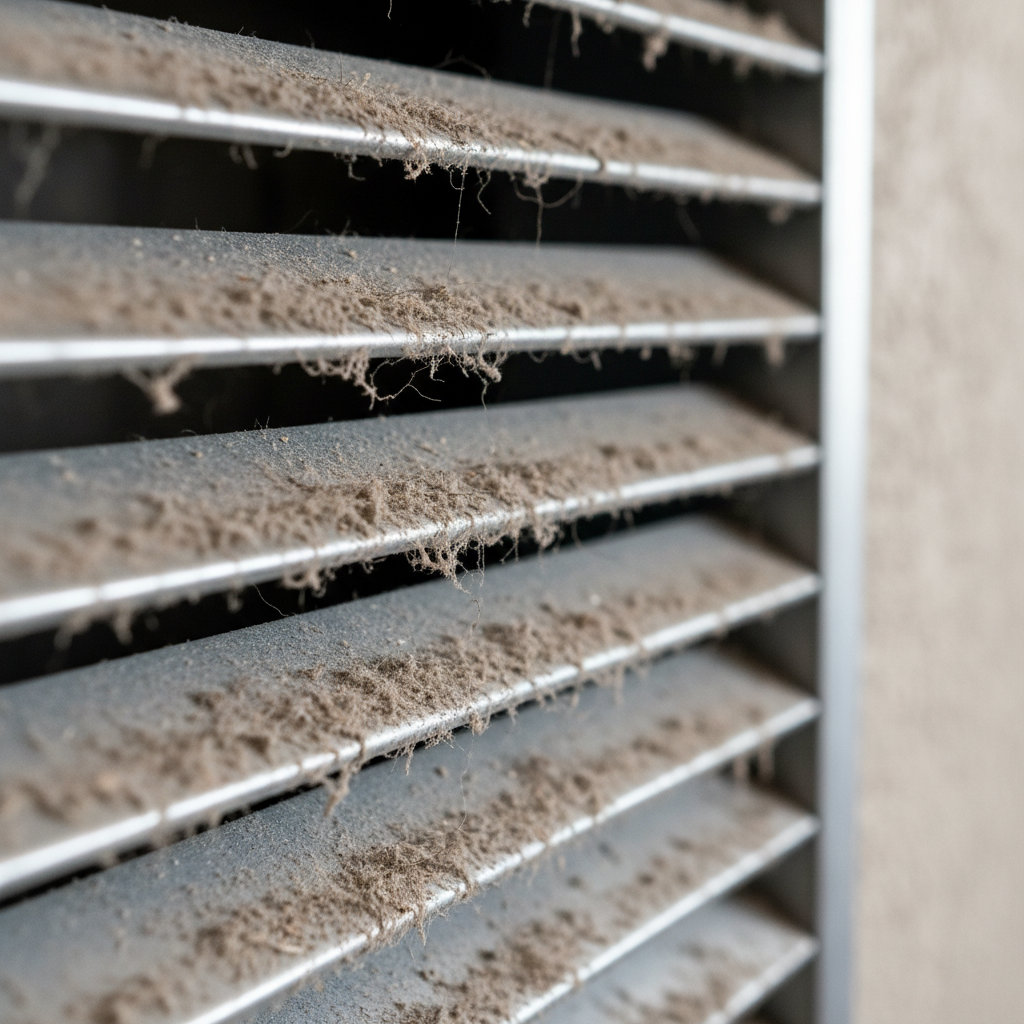
Waking up with a stuffy nose, scratchy throat, or watery eyes is a frustrating way to start the morning. Many homeowners blame seasonal pollen or a sudden cold for these symptoms, but the actual cause is often lurking right inside the ventilation system. When the heating and cooling system kicks on, it pushes accumulated debris out into the bedroom air. This creates a nightly cycle where your family breathes in micro-particles for hours. Over time, the buildup inside the system turns into a constant source of irritation. We at Quality Degree Inc. see this issue every day in local homes where families are struggling to find relief from persistent breathing discomfort. Clearing out this hidden debris with professional duct cleaning in Royersford, PA, is the most direct way to stop these mysterious morning symptoms at the source.
According to the United States Environmental Protection Agency, indoor air can be two to five times more polluted than outdoor air. The air vents in a typical house collect a mix of skin flakes, pet dander, lint, and outdoor dust that tracks inside on shoes and clothing. Every time the fan runs, this mixture gets stirred up and circulated through the living spaces. Because bedrooms are occupied for long, continuous stretches of time, the concentration of these particles impacts the body heavily during sleep. The immune system reacts to these airborne foreign objects while you rest, which is why the symptoms appear the moment you open your eyes.
When dust sits inside the dark, temperature-controlled environment of a ventilation system, it acts like a sponge for moisture. This combination creates an environment for dust mites to thrive and multiply. The American Lung Association notes that dust mite droppings are one of the most common indoor triggers for asthma and allergy symptoms. These microscopic pests reside inside the dark pathways, and their microscopic waste travels through the air channels, landing directly on bedding, carpets, and pillows. Regular vacuuming and dusting can help, but it does not address the core colony living inside the metal channels behind the walls. Choosing to invest in residential duct cleaning stops the cycle by removing the food source and breeding ground for these microscopic pests.
The physical structure of standard home ventilation also contributes to the problem. Over years of operation, the interior surfaces of the metal tubes develop a fine layer of sticky residue from cooking oils, hairspray, and general humidity. This residue acts like glue, trapping pieces of debris that pass by. As the layer grows thicker, chunks of the debris break off and enter the airflow. Homeowners who search for “air duct cleaning near me” are surprised by the volume of material that comes out of their systems. This heavy accumulation restricts the space that air can travel through, which forces the system to push air past the debris at a higher velocity, throwing particles into the breathing zone.
Many property owners try to solve their morning allergy issues by purchasing air purifiers for every bedroom. While a portable purifier can capture some floating particles, it cannot keep up with the volume of dust coming directly from the heating and cooling vents. The source of the pollution remains completely untouched inside the dark pathways of the house. Working with established duct cleaning companies allows homeowners to address the root of the problem rather than trying to clean the air after it is already contaminated. Removing the physical buildup from the entire system prevents the continuous release of irritants into the home environment altogether.
The age of the property and recent home improvement projects can multiply the amount of debris hiding in the vents. Remodeling projects create fine drywall dust, sawdust, and masonry particles that bypass standard fiberglass filters. This heavy, abrasive dust settles deep inside the system and continues to recirculate long after the contractors have left the site. Professional duct cleaning services utilize specialized negative pressure vacuums and rotary brushes to dislodge this heavy, stubborn debris without letting it escape into the living spaces. This thorough process leaves the hidden pathways clear of construction leftovers and years of accumulated household grime.
Identifying the Symptoms of Poor Indoor Air
Recognizing the signs of ventilation buildup goes beyond tracking physical health symptoms. Homeowners often notice a fine layer of grey dust settling on flat surfaces within hours of wiping them down. This rapid accumulation indicates that the heating and cooling system is actively broadcasting particles throughout the home. Another indicator is a musty or stale odor that enters the room immediately after the furnace or air conditioner starts a new cycle. This scent comes from the organic material decomposing within the dark, humid stretches of the ductwork.
The Role of Humidity and Airflow Mechanics
The seasonal transitions bring changes in indoor humidity levels, which directly affect how dust behaves inside the ventilation lines. High humidity causes airborne particles to become heavy and stick to the duct walls, while low humidity dries the debris out, making it brittle and easily airborne. When the system fan blower starts up, the initial blast of air detaches these loose particles, sending a concentrated cloud directly through the floor and ceiling registers. This mechanical action explains why symptoms peak in the morning after a night of continuous system cycling.
Long Term Effects of Vent Contamination
Allowing debris to accumulate unchecked within the air channels strains the entire heating and cooling configuration. Thick layers of dust on the interior surfaces create friction, forcing the system fan to work harder to move air through the house. This increased workload raises utility costs and places extra wear on internal mechanical components. Removing this debris restores the original internal dimensions of the ductwork, allowing the system to operate under its engineered specifications.
Frequently Asked Questions
How can a person tell if the air vents are actually dirty?
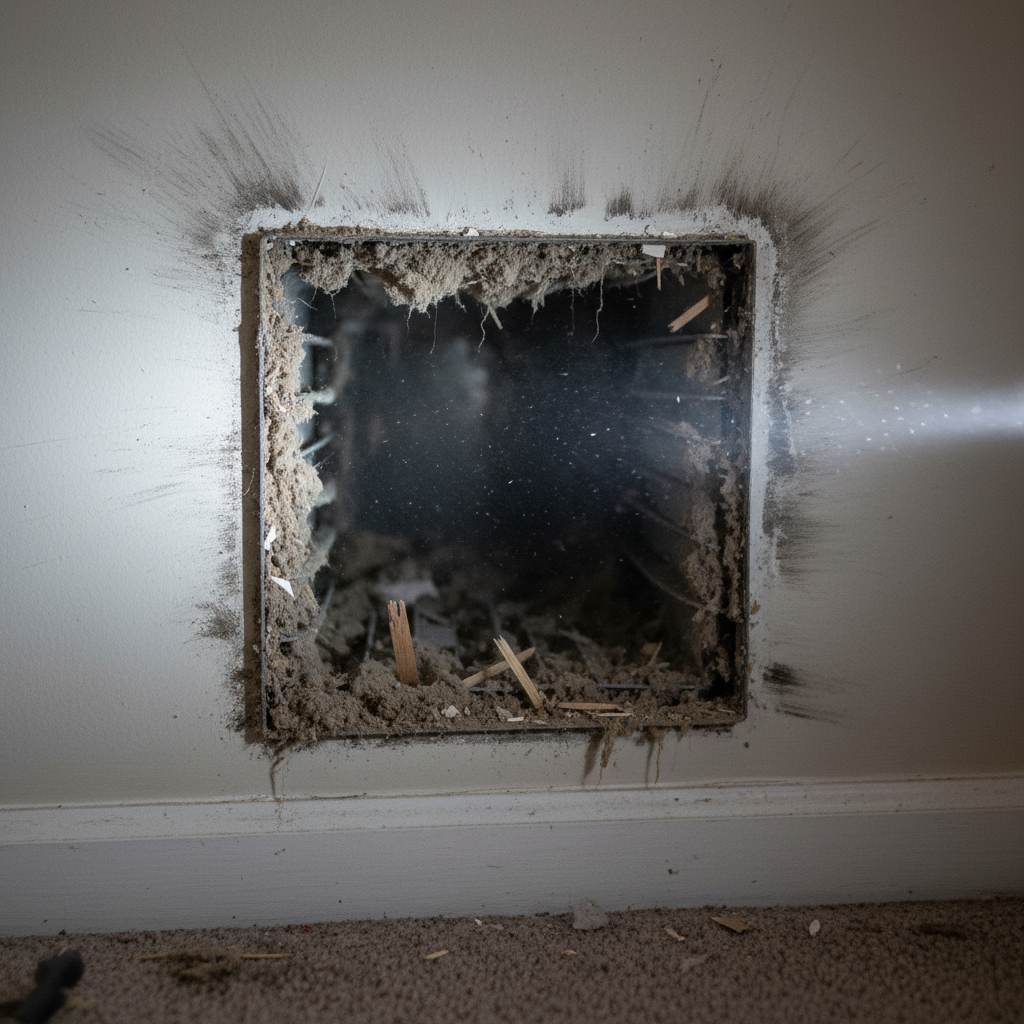
You can remove a vent cover and look inside with a flashlight or take a picture with a smartphone. If you see visible lines of dust, dark streaks on the drywall around the register, or a thick coating on the metal fins, your system needs attention.
Will a standard vacuum cleaner work to clean out the ventilation system?
Household vacuums lack the suction power and the long, flexible reach needed to clean the deep bends inside the walls. Attempting to do this yourself often pushes the dust further into the system or damages the ductwork.
How often should a home have its air channels cleaned out?
Most residential properties benefit from a thorough cleaning every three to five years. Homes with multiple pets, residents who suffer from asthma, or recent renovation projects will likely need this service more frequently to maintain comfort.
Contact Us Today
Living with morning congestion does not have to be a permanent part of your daily routine. Our team at Quality Degree Inc. provides thorough, reliable solutions to clear the air in your home. We stand behind our work with great warranties and financing options to fit any household budget. As a fully licensed, bonded, and insured company with a 5-star Google rating, we bring total professionalism to every single visit. We are available 24 hours a day to assist you and are happy to provide free estimates for your project. Reach out to us today to schedule your evaluation and take the first step toward a cleaner, more comfortable home environment.
Contact Us for the Best in HVAC Installs and Replacement
For 24/7 HVAC installation and replacement in Royersford, PA, call Quality Degree. You can also schedule an appointment online right now by filling out the contact form.