
Cracked Heat Exchangers: The Invisible Culprit Behind Slow-Leak Carbon Monoxide
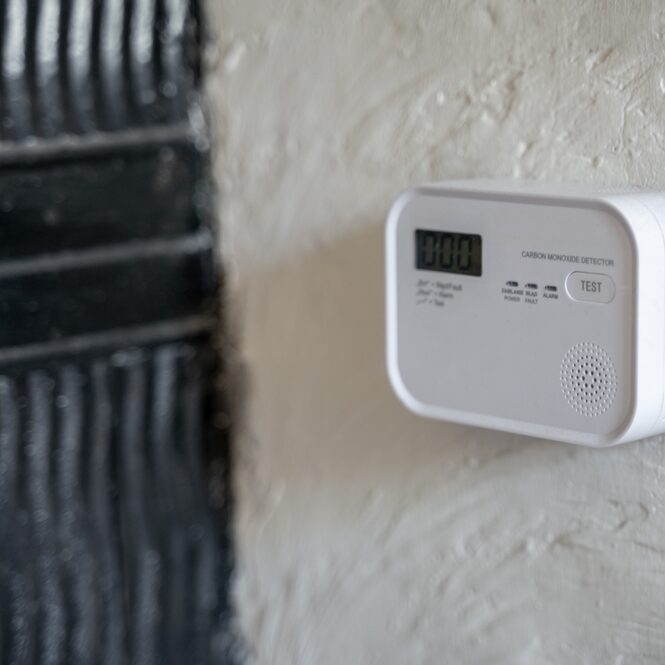
Carbon monoxide is often called the invisible danger because it has no color, odor, or taste. While many homeowners understand the importance of installing alarms, fewer know where carbon monoxide often originates inside a home. One of the most common mechanical sources is a cracked heat exchanger within a furnace. These cracks are frequently hidden from view and can develop gradually over time, making them difficult to detect without professional inspection.
At Quality Degree Inc., we believe homeowners should understand how these issues develop and why a properly functioning carbon monoxide alarm in Hamburg, PA, is such an important layer of protection.
What Does a Heat Exchanger Do?
A heat exchanger is a metal component inside a furnace that separates combustion gases from the air circulated throughout the home. When the furnace operates, burners create heat inside the exchanger. The blower then moves air around the outside of the exchanger, warming the air before it travels through the duct system. Under normal conditions, combustion gases remain completely isolated from the breathable air moving through the home.
How Cracks Develop Over Time
Heat exchangers expand and contract every time the furnace cycles on and off. Over many years of operation, this repeated heating and cooling can place stress on the metal.
Several factors may contribute to deterioration:
- Age-related wear
- Restricted airflow
- Overheating conditions
- Corrosion
- Manufacturing defects
Small cracks often begin as microscopic fractures that are difficult to detect without specialized inspection methods.
Why Small Cracks Can Become Serious
Even a tiny crack can affect the separation between combustion gases and circulating air. As the furnace operates, pressure differences inside the system may allow combustion byproducts to move into areas where they do not belong. Carbon monoxide is one of the gases that may be present when combustion is incomplete or when exhaust gases enter the indoor air stream. Because carbon monoxide cannot be seen or smelled, homeowners often have no immediate indication that a problem exists.
Warning Signs Are Not Always Obvious
One of the challenges associated with heat exchanger damage is that symptoms are often subtle.
Potential warning signs may include:
- Frequent furnace cycling
- Unusual burner flame behavior
- Excessive soot accumulation
- Furnace performance changes
- Alarm activations
However, many cracked heat exchangers produce few noticeable symptoms, which is why a functioning carbon monoxide detector plays such a critical role in home safety.
Why Detection Matters
Carbon monoxide exposure can occur gradually. Low-level exposure may not immediately trigger obvious concerns, making early detection especially important. Modern carbon monoxide alarm installation helps provide continuous monitoring throughout the home. Proper placement allows alarms to detect elevated carbon monoxide levels and alert occupants before concentrations become more significant. Industry organizations such as the Consumer Product Safety Commission and National Fire Protection Association recommend installing carbon monoxide alarms outside sleeping areas and on every level of the home.
Advances in Alarm Technology
Technology has significantly improved carbon monoxide monitoring over the years. Many homeowners now choose a smart carbon monoxide detector that provides mobile alerts, self-monitoring capabilities, and integration with other smart home systems. These devices can help homeowners stay informed about alarm conditions even when they are away from home. While technology adds convenience, routine maintenance remains essential for reliable operation.
Why Routine Testing Is Important
An alarm is only useful if it functions properly when needed. Regular carbon monoxide alarm testing helps verify that sensors, power supplies, and notification systems are operating correctly. Testing should be performed according to manufacturer recommendations, and batteries should be replaced as required. Homeowners should also understand that carbon monoxide alarms do not last forever.
When It Is Time for Replacement
Like smoke alarms, carbon monoxide alarms have a limited service life. Sensors gradually lose effectiveness as they age. Manufacturers typically recommend carbon monoxide detector replacement according to the product’s specified lifespan, which is often between five and ten years depending on the model. Replacing aging devices helps maintain reliable monitoring throughout the home.
Frequently Asked Questions
What is a heat exchanger?
A heat exchanger is the component in a furnace that transfers heat while keeping combustion gases separated from indoor air.
Can a cracked heat exchanger produce carbon monoxide?
A damaged heat exchanger can allow combustion gases to move into areas where they do not belong, potentially contributing to carbon monoxide concerns.
How can I tell if my heat exchanger is cracked?
Many cracks are not visible without professional inspection and diagnostic equipment.
How often should carbon monoxide alarms be tested?
Follow the manufacturer’s recommendations, but testing alarms regularly helps confirm they are functioning properly.
Carbon monoxide safety begins with understanding the potential sources inside your home. At Quality Degree Inc., our technicians receive ongoing training to evaluate heating systems carefully and identify issues that may affect performance and safety. We are licensed, bonded, and insured, maintain a 5-star Google rating, and provide free estimates for homeowners seeking trusted HVAC guidance. With great warranties and financing options available and a team available 24 hours a day, we are committed to helping homeowners make informed decisions about their heating and cooling systems. Schedule a consultation today!
Contact Us for the Best in HVAC Installs and Replacement
For 24/7 HVAC installation and replacement in Royersford, PA, call Quality Degree. You can also schedule an appointment online right now by filling out the contact form.