
Attached Garages and CO: A Testing Zone Most PA Homeowners Overlook
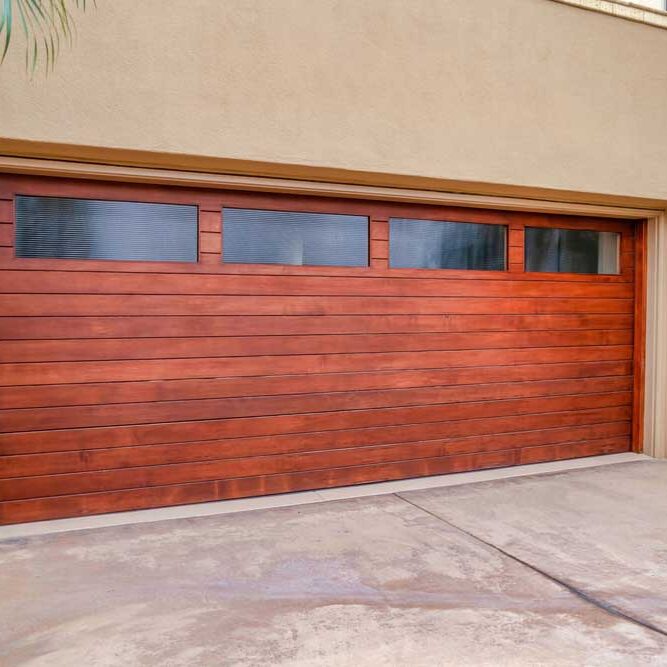
An attached garage feels separate from the home, but air doesn’t treat it that way. What happens in the garage can move indoors faster than most homeowners expect. One of the most overlooked risks is carbon monoxide drifting into living spaces after a vehicle has been running. At Quality Degree Inc., we often see this concern come up during consultations about a carbon monoxide alarm in Lenhartsville, PA, especially in homes with shared walls between garages and living areas.
How Carbon Monoxide Moves Through a Home
Carbon monoxide is colorless, odorless, and mixes easily with air. When a car idles in an attached garage, even briefly, CO can build up quickly. The Centers for Disease Control and Prevention (CDC) notes that CO exposure can become dangerous in enclosed or poorly ventilated spaces within minutes.
What many homeowners don’t realize is that CO doesn’t stay in the garage. It can pass through tiny gaps in drywall, electrical outlets, and framing seams, slowly spreading into the home even after the vehicle is turned off.
The “Soak-In” Effect Explained
The soak-in effect happens when gas lingers in building materials and air pathways after the source is gone. Drywall is not airtight, and wall cavities often connect shared spaces. This allows carbon monoxide to seep through over time rather than all at once.
That means the danger isn’t always immediate. Exposure can continue quietly even after the garage door is open and the car is gone.
Early Alerts Depend on Proper Positioning
A properly placed carbon monoxide detector is essential in homes with attached garages. These devices provide early alerts when CO levels begin to rise indoors, giving occupants time to react before symptoms develop.
Getting the Setup Right
Correct placement is just as important as having the device itself. Professional carbon monoxide alarm installation ensures detectors are positioned near sleeping areas and common entry points where gas movement is most likely to be detected.
Adding Another Layer with Smart Technology
Modern systems offer more than basic alerts. A smart carbon monoxide detector can send real-time notifications to a phone, helping homeowners respond quickly even when they are not near the alarm.
Keeping Your Alarm in Proper Working Order
Even reliable devices need routine checks. Carbon monoxide alarm testing confirms that alarms sound properly and that sensors respond as expected. While the test button checks functionality, it does not measure how the sensor reacts to actual CO exposure.
Knowing When a Unit Has Run Its Course
Like all safety devices, CO alarms have a limited lifespan. A carbon monoxide detector replacement is ideal every few years, depending on manufacturer guidelines. Aging sensors may not respond accurately, even if the alarm still powers on.
FAQs
Can carbon monoxide really move through walls?
Yes, CO can travel through small gaps in construction materials and shared air spaces.
Is the garage the main risk area?
It’s one of the most common sources, especially when vehicles idle or are recently started.
How many CO detectors should a home have?
At least one per floor, with extra attention near sleeping areas and garages.
Do I need a detector if my garage door is always open?
Yes, CO can still enter the home through air movement and structural gaps.
Awareness is the Key to a Safer Home
Air from an attached garage doesn’t stay contained. It can move into your home more easily than expected. At Quality Degree Inc., we take a practical approach to safety with reliable detection and proper setup. We offer great warranties and financing, a 5-star Google rating, and a licensed, bonded, and insured team. With free estimates and 24-hour availability, we’re ready when you need us!
Contact Us for the Best in HVAC Installs and Replacement
For 24/7 HVAC installation and replacement in Royersford, PA, call Quality Degree. You can also schedule an appointment online right now by filling out the contact form.