
Symptoms or Sickness: Between the Flu and Low-Level CO Poisoning
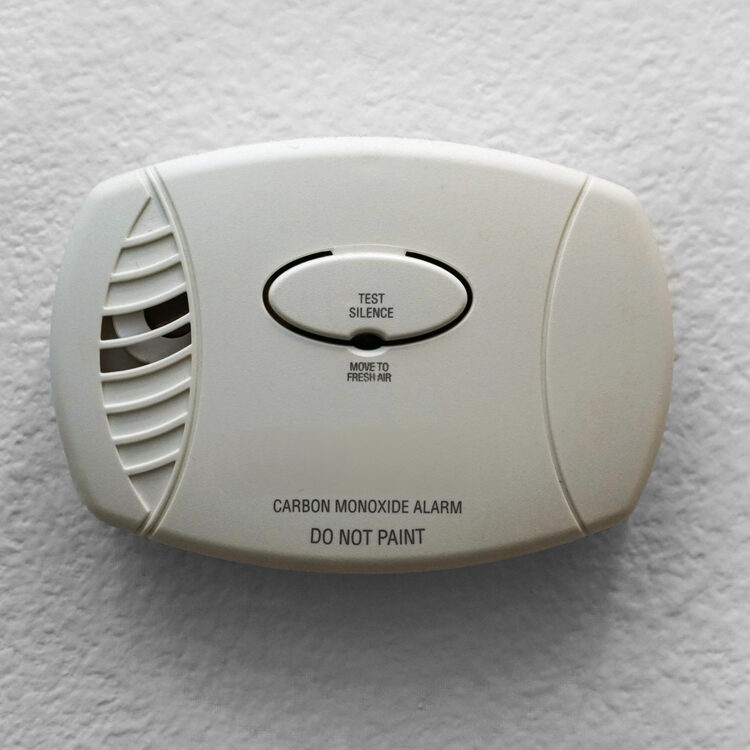
Headaches, fatigue, dizziness, and nausea are symptoms many people associate with the flu, seasonal illness, or lack of sleep. However, these same symptoms can also be linked to something far less obvious: chronic low-level carbon monoxide exposure. Because carbon monoxide cannot be seen, smelled, or tasted, it can be difficult to recognize when it may be contributing to health concerns inside a home.
One of the most important safety tools available to homeowners is a properly functioning carbon monoxide alarm in Hamburg, PA. Understanding the difference between common illness symptoms and potential carbon monoxide exposure can help homeowners identify problems that might otherwise go unnoticed.
Why Carbon Monoxide Is Difficult to Detect
Carbon monoxide, often called CO, is produced when fuels such as natural gas, propane, oil, wood, or gasoline do not burn completely.
Potential household sources may include:
- Furnaces
- Boilers
- Water heaters
- Fireplaces
- Portable generators
- Fuel-burning appliances
Because CO is invisible and odorless, people often rely entirely on alarms and detectors to alert them when elevated levels are present.
Why Symptoms Can Be Misleading
One reason low-level exposure is difficult to identify is that symptoms often resemble common illnesses.
Early symptoms may include:
- Headaches
- Dizziness
- Fatigue
- Nausea
- Difficulty concentrating
- Mild weakness
Many people assume these symptoms are related to stress, seasonal illness, allergies, or poor sleep habits. The challenge is that low-level carbon monoxide exposure can produce similar effects without any obvious signs of a household problem.
A Clue Many Homeowners Overlook
One of the most commonly reported patterns associated with chronic exposure is that symptoms improve when a person leaves the home and return when they spend time inside again. For example, someone may feel better while at work, running errands, or spending time outdoors, only to experience headaches or fatigue after returning home. While this pattern does not automatically indicate carbon monoxide exposure, it is often considered an important warning sign that warrants further investigation. A properly functioning carbon monoxide detector helps provide an additional layer of protection when symptoms alone cannot provide clear answers.
Why Heating Systems Are Often Involved
Many carbon monoxide concerns originate from fuel-burning appliances, particularly during periods of heavy heating use.
Problems may result from:
- Cracked heat exchangers
- Blocked exhaust vents
- Improper combustion
- Ventilation issues
- Equipment deterioration
Because these issues often develop gradually, homeowners may not notice any obvious changes in furnace operation.
The Importance of Proper Alarm Placement
Having alarms installed in appropriate locations is critical for effective monitoring. Professional carbon monoxide alarm installation helps ensure alarms are placed according to manufacturer recommendations and recognized safety guidelines. Common locations include outside sleeping areas and on each level of the home. Proper placement improves the likelihood that occupants will receive timely alerts if elevated carbon monoxide levels occur.
How Smart Technology Enhances Monitoring
Technology has improved significantly in recent years. A smart carbon monoxide detector can provide real-time alerts through mobile devices, allowing homeowners to receive notifications even when they are away from home. Some models also integrate with broader home monitoring systems. While smart technology offers additional convenience, it should still be supported by regular testing and maintenance.
Why Testing Should Never Be Overlooked
Even the best alarm cannot provide protection if it is not functioning properly. Routine carbon monoxide alarm testing helps verify that sensors, batteries, and notification systems are operating correctly. Following the manufacturer’s testing recommendations helps maintain reliable performance. Regular testing is one of the simplest steps homeowners can take to improve safety.
When It Is Time to Replace an Alarm
Carbon monoxide alarms are not designed to last indefinitely. Over time, the sensors inside these devices become less effective. Most manufacturers recommend carbon monoxide detector replacement based on the product’s rated lifespan, which varies by model. Replacing aging alarms helps maintain dependable monitoring throughout the home.
Frequently Asked Questions
Can carbon monoxide poisoning feel like the flu?
Yes. Symptoms such as headaches, fatigue, nausea, and dizziness can resemble common illnesses.
What is low-level carbon monoxide exposure?
Low-level exposure occurs when small amounts of carbon monoxide are present over an extended period, potentially causing ongoing symptoms.
Why do symptoms sometimes improve outside the home?
If a household source is contributing to carbon monoxide exposure, symptoms may lessen when a person spends time away from that environment.
How often should carbon monoxide alarms be tested?
Testing should be performed according to manufacturer recommendations to confirm proper operation.
Because carbon monoxide symptoms can mimic everyday illnesses, homeowners may not immediately recognize when a household issue is involved. At Quality Degree Inc., our technicians receive ongoing training to evaluate heating systems and identify conditions that may affect home safety. We are licensed, bonded, and insured, maintain a 5-star Google rating, and offer free estimates for homeowners seeking answers about their HVAC systems. With great warranties and financing options available, along with service available 24 hours a day, we are committed to helping homeowners make informed decisions about indoor comfort and safety. Schedule a service appointment today!
Contact Us for the Best in HVAC Installs and Replacement
For 24/7 HVAC installation and replacement in Royersford, PA, call Quality Degree. You can also schedule an appointment online right now by filling out the contact form.